
Trends
World Water Week 2026: Why water security is becoming a business ESG issue
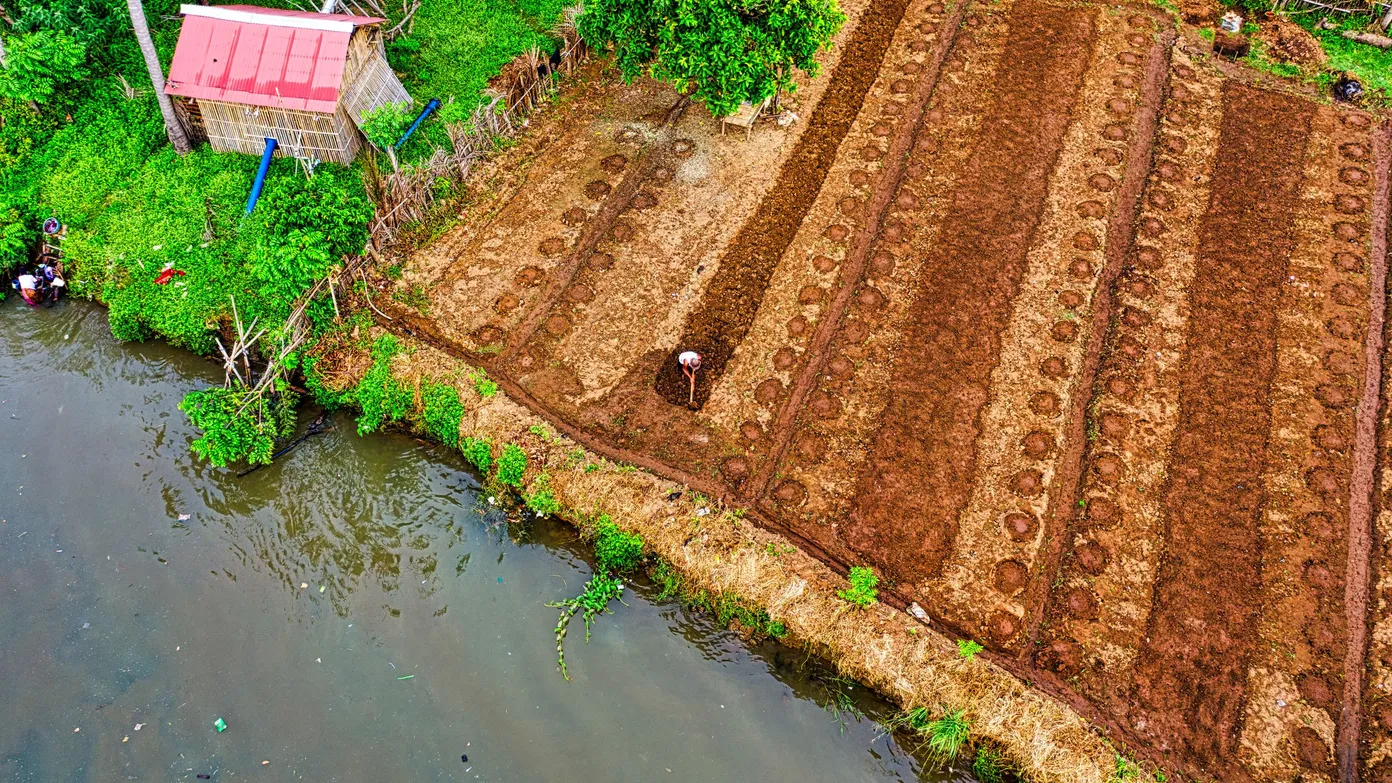
From 23/08/2026 to 27/08/2026, World Water Week takes place under the theme “Water for People and Progress”, focusing on water security, clean water and sanitation, resilience, and a fairer future for people in the face of climate change.
But for the business community, the story of water does not end at “saving water”.
1. Businesses are not outside the water system
A business may not trade in water directly, yet it still depends on water at many levels.
From raw materials, production and energy to logistics and the supply chain, water can be a foundational factor — and one that is rarely visible in business strategy.
When water sources decline, become polluted or grow harder to predict, the impact can spread to:
- Operating costs;
- Availability of raw materials;
- The supply chain;
- Workers’ health;
- Community relations;
- Business continuity;
- Legal and reputational risk.
In other words, water risk can become business risk.
2. From “water consumption” to “water dependency”
An important step forward in ESG thinking is moving from the question:
How much water does the business use?
to broader questions:
Which water sources does the business depend on?
How well can those sources regenerate?
Which ecosystems does the supply chain depend on?
If those water sources change, how will the business model be affected?
This is systems thinking – seeing the business as part of an economic, social and ecological system.
3. Water security is also social impact
World Water Week 2026 stresses that clean water and sanitation are the foundation of human development, health and resilience, with particular attention to communities facing inequality and vulnerability.
This shows a very clear link between E – Environmental and S – Social.
A single decision about how a business uses water can affect the environment and the community at the same time.
That is why ESG should not be implemented by splitting E, S and G into three independent “boxes”.
4. OED and the question of ecological limits
Within the Green Leaders Community × NEPA ecosystem, the Organizational Ecological Deficit (OED) is introduced as a framework for measuring an organization’s resource use against the planet’s capacity to regenerate.
This approach poses a broader question for business:
How much “ecological space” is the organization using to create economic value?
This is where ESG, resource management and green transformation connect.
5. From awareness to action
A water resource management strategy can start with a few basic steps:
- 01 — Identify
Identify which water sources the business depends on. - 02 — Measure
Measure usage and the related impacts. - 03 — Assess
Assess the risks to operations, the supply chain and communities. - 04 — Transform
Design solutions that reduce dependency, raise efficiency and build resilience. - 05 — Report & Improve
Track results and keep improving.
Conclusion
World Water Week is a reminder that water is not only a story for the environmental sector.
It is also a story of health, the economy, communities, supply chains and resilience.
For business, the question of the future is not only:
“How much water did we save?”
But:
“Are we building a business model that can thrive in a world under growing resource pressure?”
GLC × NEPA continues to widen the dialogue on ESG, resource management, OED and Green Transformation towards a more sustainable economy.