
Trends
Worth watching: embedding climate risk data into due diligence and asset valuations
Climate risk is becoming financial risk. Banks and investors no longer just ask a business “do you have a green commitment?” – they ask “how do storms, floods and heat affect your assets and cash flows, and what data do you measure them with?”. A recent webcast from Responsible Investor goes straight to that question.
What the webcast covers
How climate risk data can be embedded into due diligence and asset valuations (Responsible Investor in partnership with Climate X) looks at how to build climate risk into valuation workflows, starting with the broader context and moving into how data is used in financial models. According to the programme, it covers:
- the guiding principles of high-quality climate risk data, from transparency to quantitative outputs;
- the common challenges teams face with this data;
- what makes climate data decision-useful;
- how to build repeatable workflows that turn climate risk insights into practical inputs for reporting, valuation and risk management.
Speakers: Utsha Saha (Strategic AE, Banks & Investors, Climate X), Jason Mortimer (Head of Sustainable Investment, Nomura Management) and Tania Steyn (Principal – Apollo Portfolio Performance Solutions, Apollo Global Management). Moderated by Elza Holmstedt Pell, Responsible Investor.
Who should watch
Finance, risk and ESG teams in Vietnamese businesses – especially exporters and suppliers already being asked for data by customers, banks or investors. The webcast shows how the other side of the table – the people providing capital – reads climate data, so businesses can prepare their own data accordingly.
It is also why GLC puts data at the centre: transparent, evidence-based measurement that stays consistent over time is what opens the door to green finance.
Where to watch
- On demand: on the Responsible Investor Webinars channel (BrightTALK). A free BrightTALK account may be required.
- Length: 61 minutes, in English. First aired on 24 September 2026.
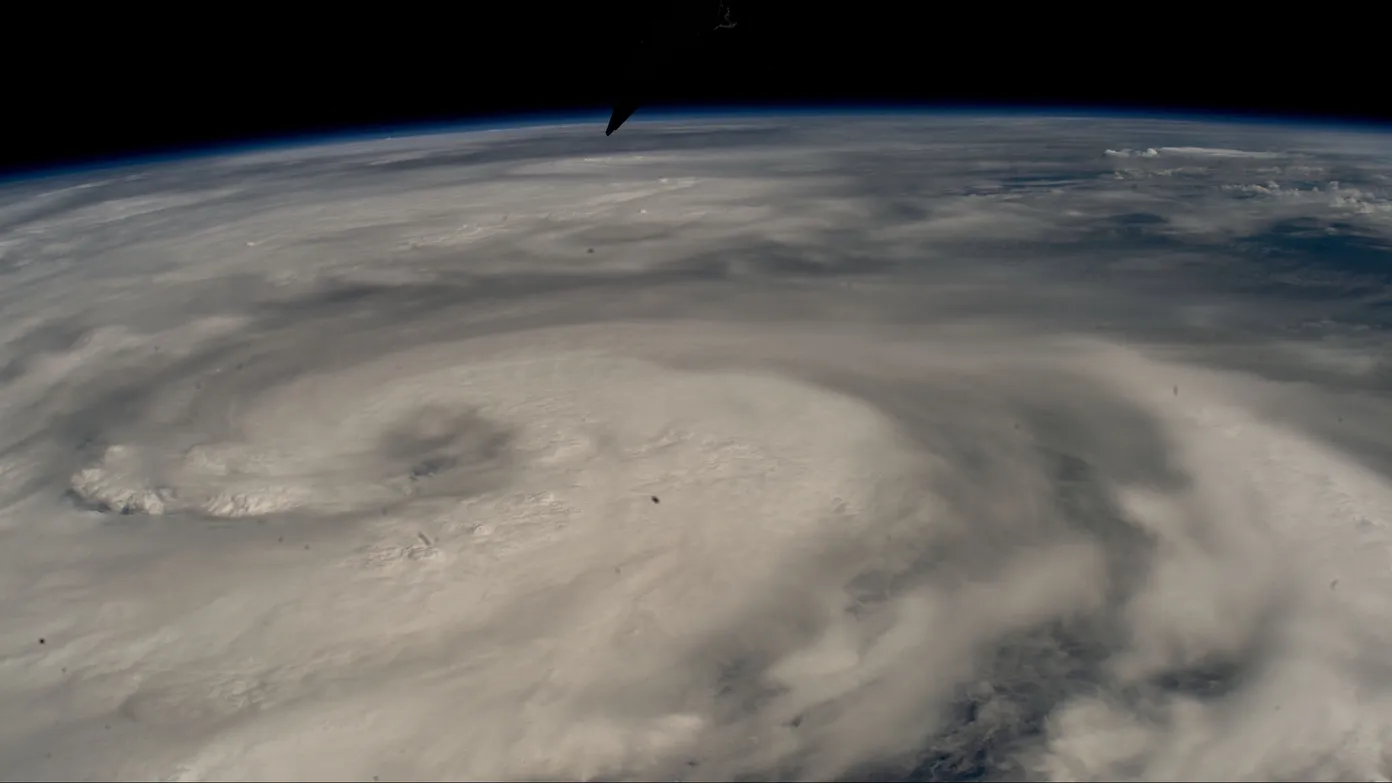
Header image: Hurricane Helene seen from the International Space Station, September 2024. Image: NASA.